Email for more info: info@mspeptidesolutions.com
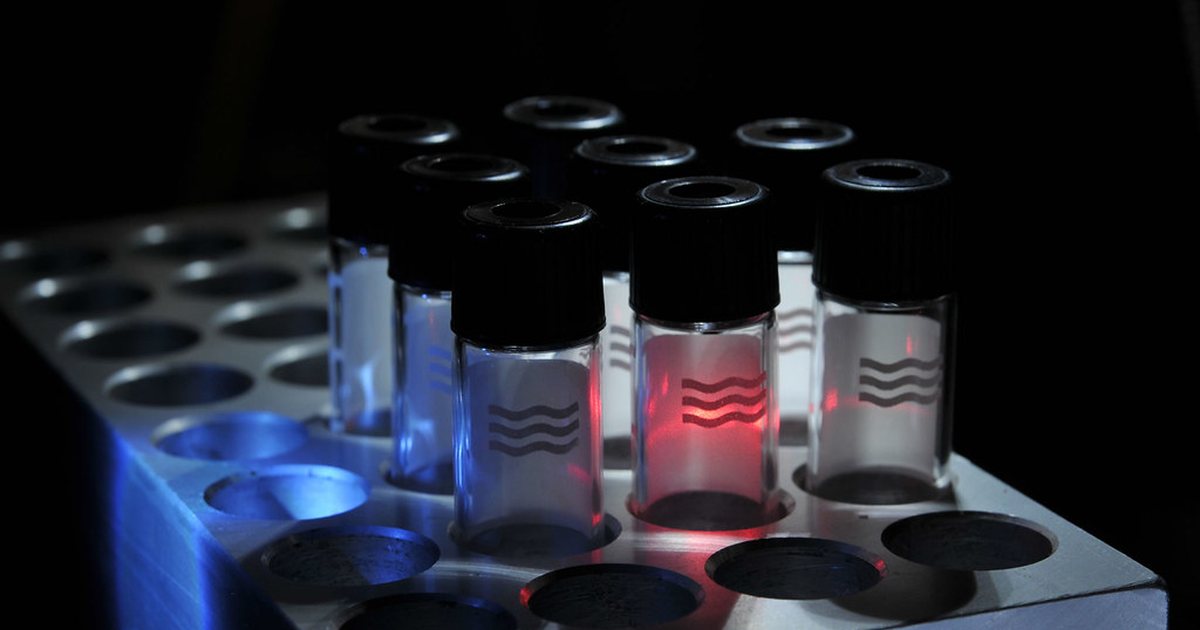

Dry vials and mixed vials are two separate storage problems with different rules. This guide sets out the temperature each one needs, how long it keeps, why freeze thaw cycles cause the most damage, and the labeling habit that saves whole vials.
How to Store Peptides: Temperature, Light and Shelf Life
Peptides do not fail loudly. A vial that has been stored badly looks exactly like a vial that has been stored well. There is no smell, no color change in most cases, and nothing on the label to tell you the material has lost strength. You only find out when your results stop making sense.
Storage comes down to four things: temperature, water, light and how many times you disturb the vial. Get those right and dry peptides keep for years.
Dry vials and mixed vials are two different problems
This is the distinction that matters most, and it is the one people collapse together. A freeze dried peptide has had almost all of its water removed. Since water is what drives most peptide breakdown, a dry vial is chemically quiet. It tolerates a few weeks at room temperature, which is why vials can ship without cold packs and arrive in good shape.
Once you add water, that protection is gone. A mixed vial is now a solution where hydrolysis, oxidation and bacterial growth are all possible. The useful life drops from years to weeks. Everything below splits along that line.
Storing dry, unopened vials
- A freezer at around -20 °C is the standard for long term storage, and dry peptides held at that temperature stay stable for a very long time.
- A fridge at 2 to 8 °C is fine for months, and it is the practical choice if you are working through stock steadily.
- Room temperature is acceptable for shipping and for short periods, but it is not where you leave material you want to keep.
Keep dry vials away from humidity. The cake is hygroscopic, meaning it pulls water out of the air, and any moisture it absorbs starts the breakdown you were avoiding. Leave vials in their sealed packaging until you actually need them.
Let cold vials warm up before opening
Take a vial straight from the freezer, pop the cap and you get condensation forming inside on the cold glass. You have just added water to something you spent months keeping dry.
Let the vial sit closed until it reaches room temperature, usually twenty to thirty minutes, then open it. This is the same rule that applies when you reconstitute a vial, and for the same reason.
Storing vials after you mix them
Mixed vials go in the fridge at 2 to 8 °C. Not the freezer, and not the counter.
How long they last depends on what you mixed them with. Bacteriostatic water contains about 0.9% benzyl alcohol, which holds back bacterial growth and is what makes repeat access possible. Vials mixed this way are generally treated as good for around 28 days refrigerated. Sterile water has no preservative at all, so treat those as single session.
Freeze and thaw cycles are the real killer
Every time a solution freezes and thaws, ice crystals form and concentration shifts locally, and both put stress on the peptide. Doing it once is survivable. Doing it repeatedly is one of the fastest ways to destroy material.
If you genuinely need to freeze a solution, split it into single use portions first. Then you thaw one portion and the rest never warms up. Freezing a full vial and thawing it eight times is a good way to end up with eight progressively weaker portions.
Stay out of the fridge door
The door is the warmest and least stable part of any fridge. It swings through a temperature range every time someone opens it. A steady shelf at the back beats a door shelf that cycles ten times a day, even if the door reads a degree cooler on paper.
Light
Several peptides are sensitive to light, and the amino acids most responsible are tryptophan, tyrosine, phenylalanine and cysteine. Exposure drives oxidation, and oxidation changes the molecule.
The fix is not complicated. Keep vials in the carton they came in, or in any container that blocks light. Amber glass helps. Do not leave vials sitting on a windowsill or under a bench lamp while you work through a session. The rest of what degrades a vial is collected in what to avoid while using peptides.
Label everything, immediately
Write the compound, the strength in mg/ml and the date you mixed it, directly on the vial. Do it while you are still holding the syringe, not later.
Three weeks on, an unlabeled vial is scrap. You cannot confirm its strength, you cannot confirm its age, and guessing at either makes every measurement afterward meaningless. This costs you five seconds and saves entire vials.

Quick reference
| State | Where | Roughly how long |
|---|---|---|
| Dry, sealed | Freezer, -20 °C | Years |
| Dry, sealed | Fridge, 2 to 8 °C | Months |
| Dry, sealed | Room temperature | Weeks, for transit |
| Mixed, bacteriostatic water | Fridge, 2 to 8 °C | About 28 days |
| Mixed, sterile water | Fridge, 2 to 8 °C | Single session |
Treat these as working guidelines. Individual compounds vary, and the documentation for a specific peptide always beats a general table.
Common questions
Can I store dry peptides in the freezer with food?
A domestic freezer holds roughly -18 to -20 °C, which is the right range. The bigger issue is that domestic freezers get opened constantly and many self defrost, which means deliberate warming cycles. A dedicated freezer or the coldest, least disturbed part of the one you have is better.
My vial arrived warm. Is it ruined?
It is almost certainly fine. Dry peptides ship at room temperature as standard practice and handle days to weeks that way, so put it into cold storage when it arrives and carry on.
Should I freeze a vial I already mixed?
Only if you split it into single use portions first. Freezing a whole vial you will keep going back into means repeated freeze and thaw cycles, which does more damage than the fridge ever would.
How can I tell if a peptide has degraded?
Visually, usually you cannot, and that is the problem. Cloudiness, floating particles or color change in a mixed vial are clear signs to discard it. Degradation without any visible sign is common, which is why storage discipline matters more than inspection. Confirming purity properly means testing, which is what a certificate of analysis is for.
TL;DR
Dry goes in the freezer, mixed goes in the fridge, everything stays dark and labeled, and nothing gets frozen and thawed more than once. Warm vials up before opening them. That is most of it.
Everything we supply is lab tested for purity and identity, and sold as research grade material for laboratory and research use. You can find solvents and lab supplies here, or start with the starter kit if you are setting up from scratch.
Featured image by liverpoolhls, CC BY 2.0.