Email for more info: info@mspeptidesolutions.com
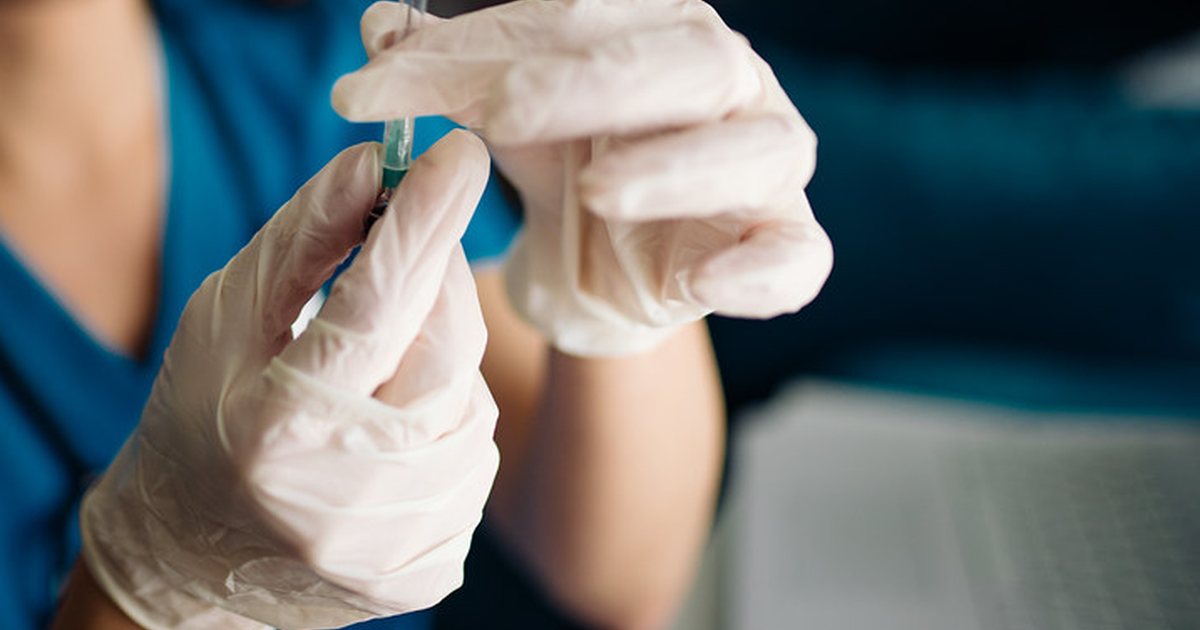

Almost every peptide is injected, and the reason is not caution. The digestive system is built to destroy exactly the kind of molecule a peptide is, and this post covers the few compounds that get around it.
Why Peptides Are Injected Rather Than Taken Orally
Almost every peptide is injected, and the reason is not caution or convention. It is that the digestive system is built to destroy exactly the kind of molecule a peptide is. Swallowing one largely wastes it.
The interesting part is the exceptions, because they show precisely what the rule depends on.
What a peptide is, and why that is the problem
A peptide is a chain of amino acids joined by peptide bonds. A protein is the same thing, longer. Your food contains protein, and the entire job of protein digestion is to cut those chains back down into individual amino acids so they can be absorbed.
So when you swallow a peptide, you are feeding it into a system whose specific purpose is to take peptides apart. It does not distinguish between the protein in a meal and a research peptide. Both are chains of peptide bonds, and both get cut.
The three barriers
A swallowed peptide has to survive three obstacles in order, and most fail at the first.
1. Stomach acid
The stomach runs at a strongly acidic pH. That environment alone begins to break down many peptides before any enzyme is involved, by attacking the bonds directly.
2. Digestive enzymes
This is the main event. Proteases, the enzymes that cut peptide bonds, are present throughout the digestive tract. Pepsin works in the stomach, then trypsin and chymotrypsin and others continue in the small intestine. They are efficient, abundant, and exactly suited to the task. A peptide reaching the intestine intact still has to pass through this.
3. The intestinal wall
Anything that survives that far still has to cross the intestinal lining to reach the bloodstream, and peptides are generally large and water loving, which are the wrong properties for slipping across a cell membrane. Small fractions may cross, but the amount is low.
The term for how much of a swallowed dose reaches circulation intact is oral bioavailability. For most peptides it is very low, which is the whole reason injection exists as the standard route. Injecting places the molecule into the body past all three barriers.

The exceptions, and what they reveal
A handful of products in the catalog are taken orally. Each one is oral for a specific, understandable reason, and together they map out the rule.
It is not actually a peptide
The cleanest exceptions are the compounds that were never peptides to begin with. 5-Amino-1MQ is a small molecule enzyme inhibitor. Tesofensine is a small molecule too. Small molecules are not built from peptide bonds, so the proteases have nothing to cut, and they survive digestion. Both are supplied as oral tablets for exactly that reason.
It is unusually stable
BPC-157 is a genuine peptide, but its parent protein occurs naturally in gastric juice, so it is stable in that environment in a way most peptides are not. That stability is the reason oral administration appears in its research at all, and it is a rare property rather than the norm.
It has been engineered around the problem
The oral tirzepatide and sildenafil tablet formats represent the two ways this is done. Getting a peptide through the gut intact takes heavy chemical modification or an absorption enhancer built into the formulation, which is a substantial undertaking. A small molecule like sildenafil simply does not have the problem in the first place.
Why not just take more to compensate?
A reasonable question, and the answer is that low bioavailability is not only low, it is inconsistent.
How much survives depends on stomach contents, timing relative to meals, and individual digestion, so the fraction reaching circulation varies from one time to the next. You cannot reliably dose around a number that keeps moving. Injection sidesteps this entirely by delivering a known amount past the barriers, which is why it is the standard rather than a preference.
The quick test
For any compound, three questions tell you what to expect.
- Ask whether it is a peptide or a small molecule, because small molecules generally survive the gut and peptides generally do not.
- If it is a peptide, ask whether it is unusually stable, since a few like BPC-157 tolerate the digestive environment.
- Ask whether it has been formulated for oral use, because a deliberate tablet format means the problem has been engineered around.
If the answer to all three is no, it is injected, and the vial needs reconstituting first.
Common questions
Why can’t peptides be taken as pills?
Because digestion exists to break peptide bonds, and a peptide is a chain of them. Stomach acid, digestive proteases and poor absorption across the intestinal wall together mean very little of a swallowed dose reaches the bloodstream intact.
What is oral bioavailability?
The fraction of a swallowed dose that reaches circulation intact. For most peptides it is very low, which is why injection is the standard route.
Why can BPC-157 appear in oral research?
Its parent protein occurs in gastric juice, so it is unusually stable in the digestive environment. That is a specific property of that peptide rather than something that applies generally.
Are the tablet products less effective?
That is not what the format is for. The tablets are either small molecules that were always suited to oral use, or peptides specifically formulated to survive the gut, so the route matches the molecule.
TL;DR
Peptides are chains of amino acids, and digestion exists to cut those chains apart, so a swallowed peptide faces stomach acid, digestive proteases and a hard-to-cross intestinal wall. Very little survives, and how much survives is inconsistent, so injection is the standard route because it delivers a known amount past all three barriers. The oral exceptions prove the rule: small molecules like 5-Amino-1MQ and tesofensine were never peptides, BPC-157 is unusually stable, and the oral tablet formats are engineered around the problem.
Everything we supply is lab tested for purity and identity, and sold as research grade material for laboratory and research use. Supplies for the injectable route are in the ancillary supplies range.
Featured image by SELF Magazine, CC BY 2.0.