Email for more info: info@mspeptidesolutions.com

Every drug that actively builds bone is a peptide, and they work only because they are given as daily pulses. This post covers those drugs, what vitamin D and vitamin K2 each do, and how loading the skeleton changes density.
Peptides and Bone Density
Bone is living tissue that gets torn down and rebuilt continuously. Cells called osteoclasts remove old bone, osteoblasts lay down new bone, and density reflects which side of that exchange is winning.
Most osteoporosis drugs work by slowing the removal side. A smaller group does something harder, which is actively building new bone, and every drug in that group is a peptide.
Which peptides are best for osteoporosis?
Three peptide drugs are established treatments for osteoporosis, and all three are prescription medicines rather than research compounds.
Teriparatide is the first 34 amino acids of human parathyroid hormone. It was approved in the United States in 2002, it is given as a daily injection, and it acts on the PTH1 receptor in bone to increase both the rate and the extent of bone formation.
Abaloparatide is a synthetic analog of parathyroid hormone-related protein, also 34 amino acids, approved in 2017. It acts on the same receptor with a somewhat different balance between building bone and triggering its breakdown.
Both are given by daily subcutaneous injection over 18 to 24 months, and both reduce spine and non-spine fractures faster and by more than the drugs that only slow bone loss. Calcitonin is a third peptide in this area, a 32 amino acid hormone that suppresses bone breakdown rather than building bone, and it is used far less than it once was.
We do not sell any of these. They are prescription drugs, and anyone with osteoporosis should be having that conversation with a doctor rather than looking for a substitute.
The timing detail that makes it work
Parathyroid hormone is a strange drug to use for bone, because chronically high PTH is a known cause of bone loss. People with overactive parathyroid glands lose bone density as a result.
The difference is entirely in the pattern of exposure. A short daily spike of PTH pushes the balance toward bone formation. Continuous elevation pushes it toward breakdown. Same hormone, same receptor, opposite outcome depending on whether the signal pulses or stays on.
This is one of the clearest examples of a principle that runs through peptide biology. The timing of a signal carries information, and delivering the right molecule on the wrong schedule can produce the reverse of what you wanted. The same idea underlies the pulsing of growth hormone release, covered in daily use, cycling and how long peptides take to work.
What is the number one vitamin to rebuild bone density?
Vitamin D is the answer most often given, and it earns that place, though what it does is more indirect than people assume. It lets your gut absorb calcium. Without enough of it you absorb a fraction of the calcium you eat, and your body pulls the shortfall out of your skeleton to keep blood calcium stable. Correcting a deficiency stops that drain and is genuinely important. Taking large doses when you are not deficient does not build extra bone, and very high doses have been associated with worse outcomes in some trials.
Calcium is the raw material, and food sources are preferable to supplements where possible. Protein matters more than most people expect, since roughly half of bone volume is protein matrix, and low protein intake is common in older adults who are also the group losing bone fastest.
What do the Japanese do for osteoporosis?
They use vitamin K2, and this is a real difference in medical practice rather than a folk remedy. Menatetrenone is a synthetic form of it, chemically identical to menaquinone-4. Japan’s Ministry of Health, Labour and Welfare approved it as an anti-osteoporotic medicine, and the Japanese Society of Osteoporosis included it in first line treatment alongside vitamin D in 1995. The therapeutic dose used there is 45 mg per day, split across three doses, which is vastly higher than the amounts in Western supplements.
The mechanism is specific. Vitamin K is required to activate osteocalcin, a protein osteoblasts produce that binds calcium into the bone matrix. Without vitamin K, osteocalcin is made but stays inactive. Japanese trials reported that treatment maintained lumbar bone mineral density and reduced new fractures, and it carries a grade B recommendation in their national guideline.
Western guidelines have not adopted it, and results outside Japan have been less consistent. It is a genuine difference of medical opinion between countries rather than a settled question.
What is the fastest way to increase bone density?
Loading the skeleton is what works. Bone adapts to the mechanical stress placed on it, adding material where force is applied and removing it where none is.
The type of loading decides whether anything happens. Walking and swimming are good for many things and do very little for bone density, because neither generates forces above what the skeleton already handles. What produces change is heavy resistance training, particularly loaded compound movements through the hip and spine, and impact work such as jumping and hopping.
Supervised trials of high-intensity resistance and impact training in postmenopausal women with low bone mass have reported improvements in spine and hip density, along with better strength and balance. The strength and balance part matters as much as the density part, because most fractures happen when someone falls.
Fastest is still slow. A full bone remodeling cycle takes three to six months, and meaningful change on a DXA scan usually takes one to two years. Anything promising faster is describing something other than bone.
Common questions
Do growth hormone peptides build bone?
Growth hormone and IGF-1 both influence bone turnover, and severe growth hormone deficiency is associated with reduced bone density. That is not the same as showing that growth hormone secretagogues treat osteoporosis, and none of them has been established as a treatment for it.
What about BPC-157 and bone?
Its animal literature includes bone defect healing models, which is fracture repair rather than skeletal density. Healing a break and rebuilding density across the whole skeleton are different problems. What BPC-157 does covers the research base, and peptides for joint, back and arthritis pain covers the soft tissue side.
Can you rebuild bone after osteoporosis is diagnosed?
You can. The anabolic peptide drugs above increase bone density measurably, and loading plus correcting nutritional gaps adds to it. Osteoporosis is treatable rather than a one-way decline, which is why getting the diagnosis and the DXA scan is worth doing.
Does menopause explain sudden bone loss?
It explains a lot of it. Estrogen restrains the cells that break bone down, and its decline removes that brake, which is why loss accelerates sharply in the years around menopause. The same estrogen decline drives the skin collagen drop covered in peptides for crepey and aging skin.
TL;DR
The peptides that build bone are prescription drugs: teriparatide, 34 amino acids of parathyroid hormone approved in 2002, and abaloparatide, a PTH-related protein analog approved in 2017. Both work only because they are given as daily pulses, since continuously elevated parathyroid hormone breaks bone down instead. Vitamin D matters by allowing calcium absorption rather than by building bone directly. Japan approves vitamin K2 as menatetrenone at 45 mg daily and has included it in first line treatment since 1995, which Western guidelines have not followed. Heavy resistance and impact loading is the strongest non-drug lever, and a bone remodeling cycle takes three to six months, so real change shows on a scan over one to two years.
Everything we supply is lab tested for purity and identity, and sold as research grade material for laboratory and research use. Read the primary research and decide for yourself what it supports. Browse the growth hormone and anti-aging range.
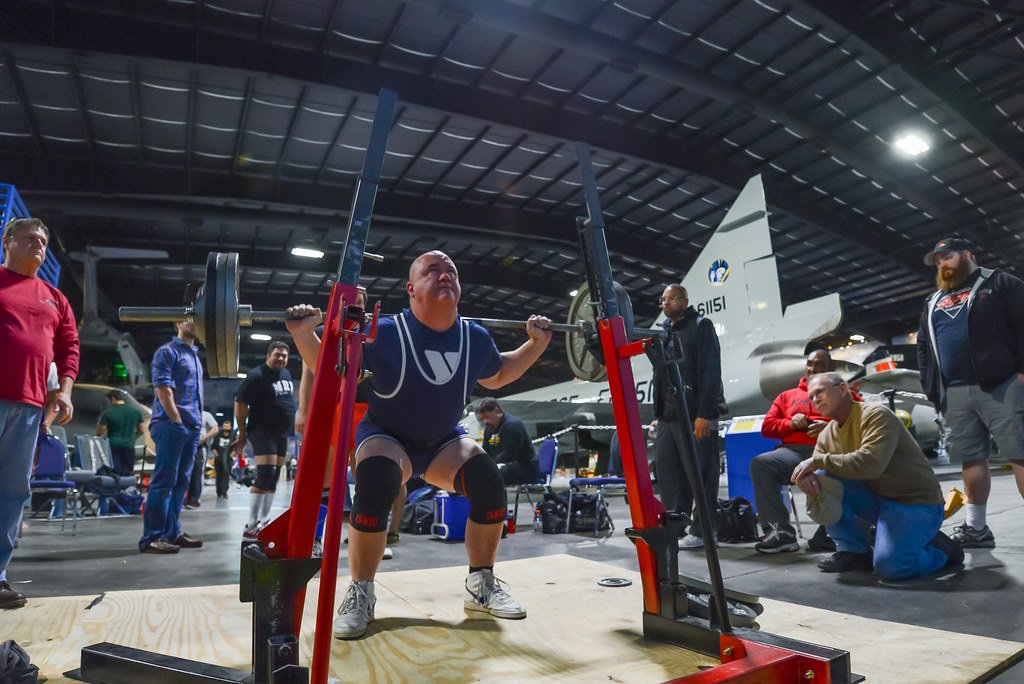
Featured image by Georgia National Guard, CC BY 2.0.