Email for more info: info@mspeptidesolutions.com

Four areas take most of the damage from heavy physical work, and each one fails for a different reason. This post covers which is which, and what the BPC-157, TB-500 and GHK-Cu research says about tissue repair.
Rig Joint and Back Recovery: BPC-157, TB-500 and GHK-Cu
Four areas take most of the damage in this work: the lower back, the shoulders, the knees, and the hands. They fail in different ways and for different reasons, and knowing which is which is the difference between managing a problem and being surprised by it.
The lower back
The lumbar spine handles compression well. What it handles poorly is compression combined with rotation, and that combination is built into a lot of rig work: a load picked up at arm’s length, then turned rather than stepped around.
Distance from the body is the multiplier people underestimate. The further a load sits from your spine, the greater the leverage acting on it, so the same weight at arm’s length loads the back far more than the same weight held close. Every inch out costs you.
Whole-body vibration adds to this. Sitting in heavy equipment or driving for hours transmits vibration through the seat into the spine, and sustained exposure is associated with lower back problems independently of lifting.
Backs also rarely fail on the heavy day. They fail on an ordinary movement after a very large number of ordinary movements, which is why the injury often feels disproportionate to what caused it.

The shoulder
The shoulder trades stability for range of motion. It moves further than any other joint in the body, and it pays for that by relying on soft tissue rather than bone to hold itself together.
The rotator cuff is four muscles and their tendons doing that stabilizing job. Overhead work is where they get loaded hardest, because the arm is furthest from the body and the tendons are working through a narrower space.
Tendon is the problem tissue here, for reasons covered below.
The knee
Kneeling on steel, climbing stairs and ladders repeatedly, and standing for twelve hours all load the knee, and they load different structures.
Kneeling puts direct pressure on the front of the joint. Climbing loads the extensor mechanism and the patellar tendon. Prolonged standing on hard surfaces produces a low grade compressive load that never lets up across a shift.
Cartilage is the structure of concern, and it is the least repairable tissue discussed here.
The hands
Hands take a specific kind of punishment in this trade: grip force held for long periods, repetitive gripping, impact, and vibration from powered tools.
Sustained exposure to hand-transmitted vibration is linked to hand-arm vibration syndrome, which affects both circulation and nerve function in the fingers. It develops gradually rather than from a single exposure, and cold conditions make the circulatory symptoms more pronounced.
Repetitive gripping also loads the forearm tendons and their sheaths, which is the mechanism behind a lot of persistent wrist and elbow complaints in manual trades.
Why these specific tissues are slow
Everything above comes down to three tissue types, and they differ enormously in how well they repair.
| Tissue | Blood supply | Repair speed |
|---|---|---|
| Muscle | Rich | Relatively fast |
| Tendon and ligament | Poor | Slow |
| Articular cartilage | None | Very limited |
Repair requires cells and materials to reach the damaged site. Where blood supply is rich, they arrive quickly. Where it is thin, everything runs slowly. Cartilage has no blood supply at all and is fed by diffusion through joint fluid, which is why joint surface damage is treated as a long term matter rather than something that heals and is forgotten.
This is also why rest alone produces such uneven results across injuries. Resting a muscle strain works. Resting a tendon problem often just means waiting on a supply line that was never adequate.
Where the research sits
Recovery research targets the stages of repair, and the compounds most studied map onto them fairly cleanly.
- Blood supply is where BPC-157 sits, studied primarily for angiogenesis through the VEGFR2 pathway, and has been shown to increase fibroblast migration and outgrowth in tendon cell culture, plus upregulated growth hormone receptor expression in those cells.
- Cell movement is handled by TB-500, which binds G-actin and regulates the machinery cells use to physically migrate into a damaged area.
- Building the matrix is where GHK-Cu comes in, carrying copper, the cofactor for lysyl oxidase, the enzyme that cross links collagen and elastin. Cross linking is what gives new collagen actual tensile strength.
- Inflammatory signaling is the angle on KPV, the three residue tail of alpha-MSH, which is studied for inhibition of NF-kB, the transcription factor at the center of the inflammatory response.
Those four appear together in the four way blend for exactly that reason, with three way versions available too.
And because repair is scheduled during deep sleep, none of it is independent of what rotation does to your sleep.
Common questions
Why does holding a load away from the body hurt the back so much?
Leverage is what does it. The further the load sits from the spine, the greater the moment acting on it, so the same weight produces far more load on the lumbar structures at arm’s length than it does held close.
Why is the shoulder injured so often?
It has the greatest range of motion of any joint in the body and achieves that by relying on soft tissue rather than bony structure for stability. Overhead work loads the rotator cuff tendons hardest.
Does whole-body vibration really affect the back?
Sustained whole-body vibration, transmitted through the seat of heavy equipment and vehicles, is associated with lower back problems separately from manual lifting.
Why do hand symptoms get worse in the cold?
Hand-arm vibration syndrome affects circulation in the fingers, and cold triggers vasoconstriction, which makes the circulatory component of the symptoms more noticeable.
TL;DR
Back problems come from compression plus rotation with the load held away from the body, made worse by whole-body vibration. Shoulders suffer because the joint trades stability for range and the rotator cuff carries the load overhead. Knees take direct pressure from kneeling and sustained compression from standing. Hands take grip force, repetition and tool vibration, with hand-arm vibration syndrome the specific risk. All of it runs into the same wall: tendon and ligament are poorly vascularized and cartilage has no blood supply at all, so these are the slowest tissues in the body to repair.
Everything we supply is lab tested for purity and identity, and sold as research grade material for laboratory and research use. See the healing and recovery range.
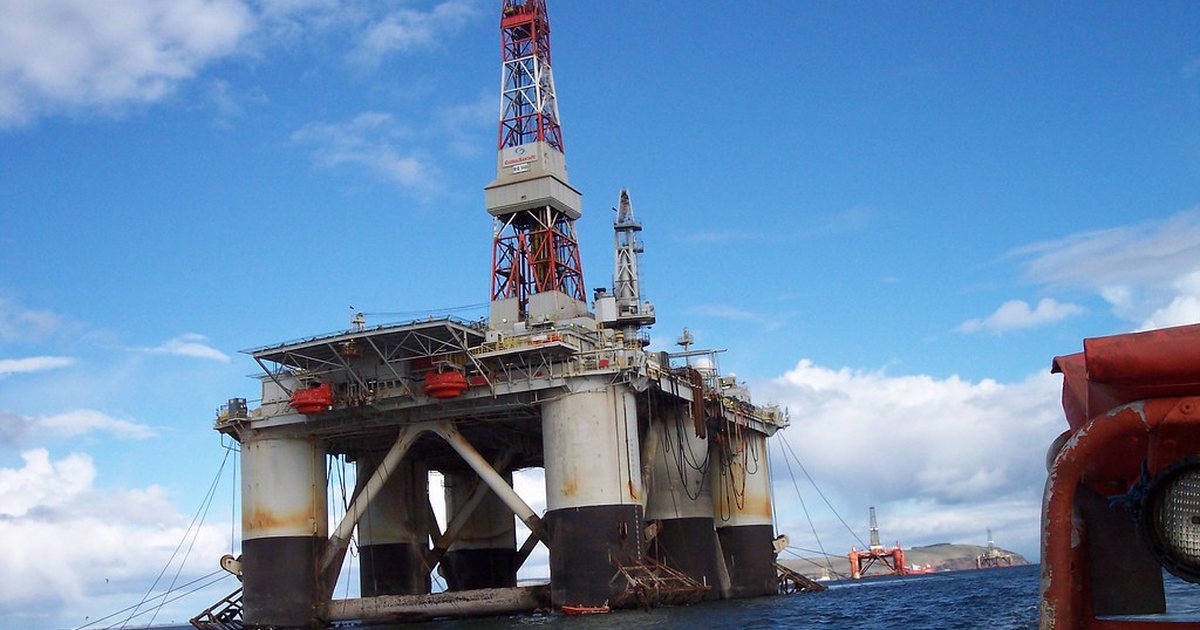
Featured image by ST33VO, CC BY 2.0.