Email for more info: info@mspeptidesolutions.com
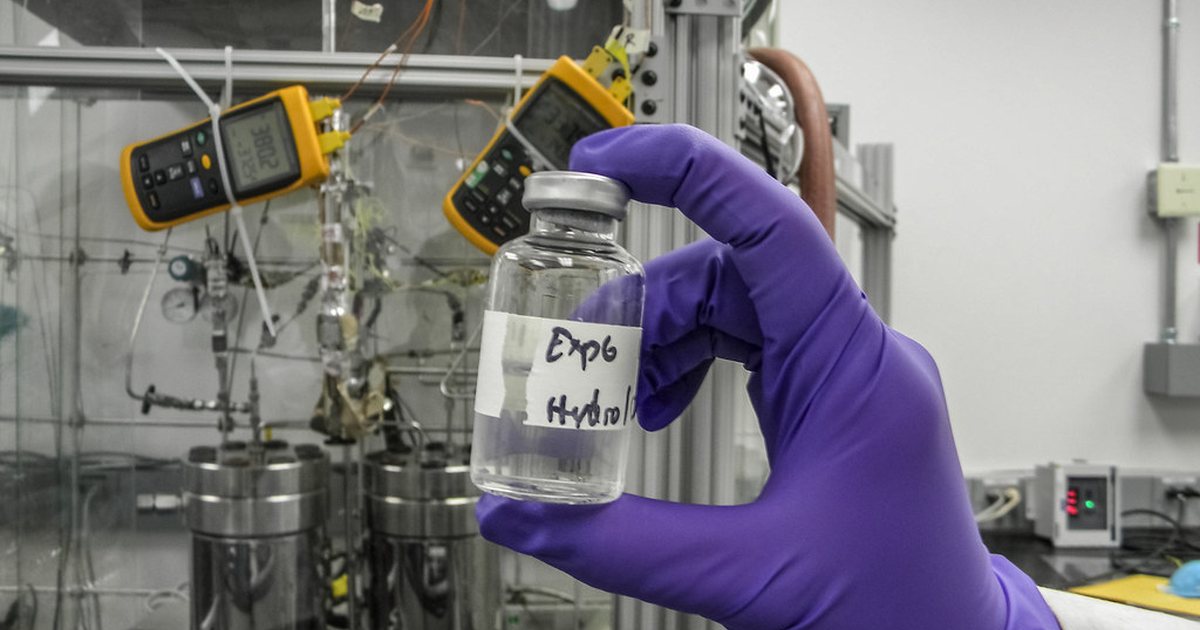
Four amino acids, from a Soviet era research program most people in the West have never heard of. The telomere work is what made it famous.
Epithalon and the Longevity Peptides
Epithalon is four amino acids: alanine, glutamic acid, aspartic acid, glycine. Written as AEDG. It is one of the shortest peptides in active research and it comes out of a Soviet era research program that most people in the West have never heard of.
Where it came from
In the 1970s, researchers at what became the St Petersburg Institute of Bioregulation and Gerontology were extracting peptide fractions from animal organs and testing what they did. An extract from the pineal gland, called epithalamin, produced effects they kept returning to.
Vladimir Khavinson and colleagues worked out which part of that extract was active and synthesized it. The answer was this four amino acid sequence, and the synthetic version is epithalon.
That program produced a whole family of short peptides, each tied to a particular organ, which the group called peptide bioregulators. Vilon, a dipeptide of lysine and glutamic acid, and thymalin, from thymus tissue, come from the same line of work.
The bioregulator idea
The proposal behind these compounds is that very short peptides can enter cells, reach the nucleus, and interact directly with DNA, influencing which genes get transcribed.
Four amino acids is small enough to slip through where larger molecules cannot, and the research from this group describes these peptides binding to specific DNA sequences and acting as transcription regulators. It is a different model from the receptor binding that most peptides work through. Rather than delivering a message to a receptor on the cell surface, the peptide goes to the library and changes what gets read.

Telomeres and telomerase
This is the part epithalon is known for, and it needs a little background.
Telomeres are repeating DNA sequences capping the ends of chromosomes. They exist because of a mechanical problem: the machinery that copies DNA cannot replicate all the way to the very end of a strand, so a little is lost each division. Telomeres are buffer material, there to be eaten into so that actual genes are not.
When telomeres get short enough, the cell stops dividing and enters senescence. That limit is a large part of why most human cells cannot divide indefinitely.
Telomerase is the enzyme that rebuilds telomeres. It is active in germ cells and stem cells, and mostly switched off in ordinary somatic cells, which is why those cells accumulate shortening over a lifetime.
The research on epithalon reports telomerase activation in cultured human somatic cells, along with telomere elongation and an increased number of divisions those cell lines went through before stopping. That work is the reason the compound became associated with longevity research.
The pineal gland and melatonin
Since epithalon came from a pineal extract, a separate line of research follows the pineal gland itself.
The pineal produces melatonin on a daily cycle, high at night and low during the day, and that rhythm flattens with age. Studies from this program examined epithalon’s effect on melatonin secretion and on the daily pattern, reporting restoration of a more pronounced rhythm in older subjects.
Circadian rhythm connects to a lot downstream, which is why this thread runs alongside the telomere work rather than separately from it.
The related bioregulators
- Vilon is a dipeptide, lysine and glutamic acid. It came from the same program and appears in the immune and gene expression research.
- Thymalin is a peptide fraction from thymus tissue. The thymus is where T cells mature, and it shrinks steadily with age, which made it an obvious target for this group. It sits alongside the thymic peptides more broadly.
Handling notes
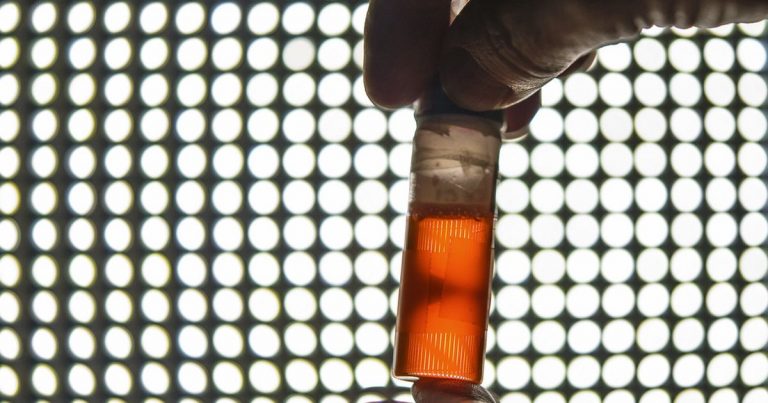
Supplied freeze dried in 10 mg and 50 mg vials. Short peptides are handled the same way as longer ones, so follow the reconstitution guide and keep mixed vials cold and dark per the storage rules.
Common questions
What does AEDG mean?
It is the single letter code for the sequence: alanine, glutamic acid, aspartic acid, glycine. Four residues, in that order.
Is epithalon the same as epithalamin?
No. Epithalamin is the original extract taken from pineal tissue, a mixture. Epithalon is the single synthetic tetrapeptide identified as the active component within it.
What is telomerase?
The enzyme that rebuilds telomeres, the protective caps on chromosome ends. It is active in germ and stem cells and largely switched off in ordinary body cells, which is why those cells lose telomere length as they divide.
What is a peptide bioregulator?
The term used by the St Petersburg group for very short peptides, usually two to four amino acids, proposed to act inside the cell on gene transcription rather than through surface receptors.
TL;DR
Epithalon is a four amino acid peptide, AEDG, synthesized from a pineal gland extract by a Russian research group that built a whole family of short peptide bioregulators. The research covers telomerase activation and telomere elongation in cultured human cells, and separately the restoration of melatonin rhythm. The proposed mechanism is direct interaction with DNA rather than receptor binding.
Everything we supply is lab tested for purity and identity, and sold as research grade material for laboratory and research use. See the growth hormone and anti-aging range, or read about the mitochondrial peptides.
Featured image by Free Public Domain Illustrations, CC BY 2.0.